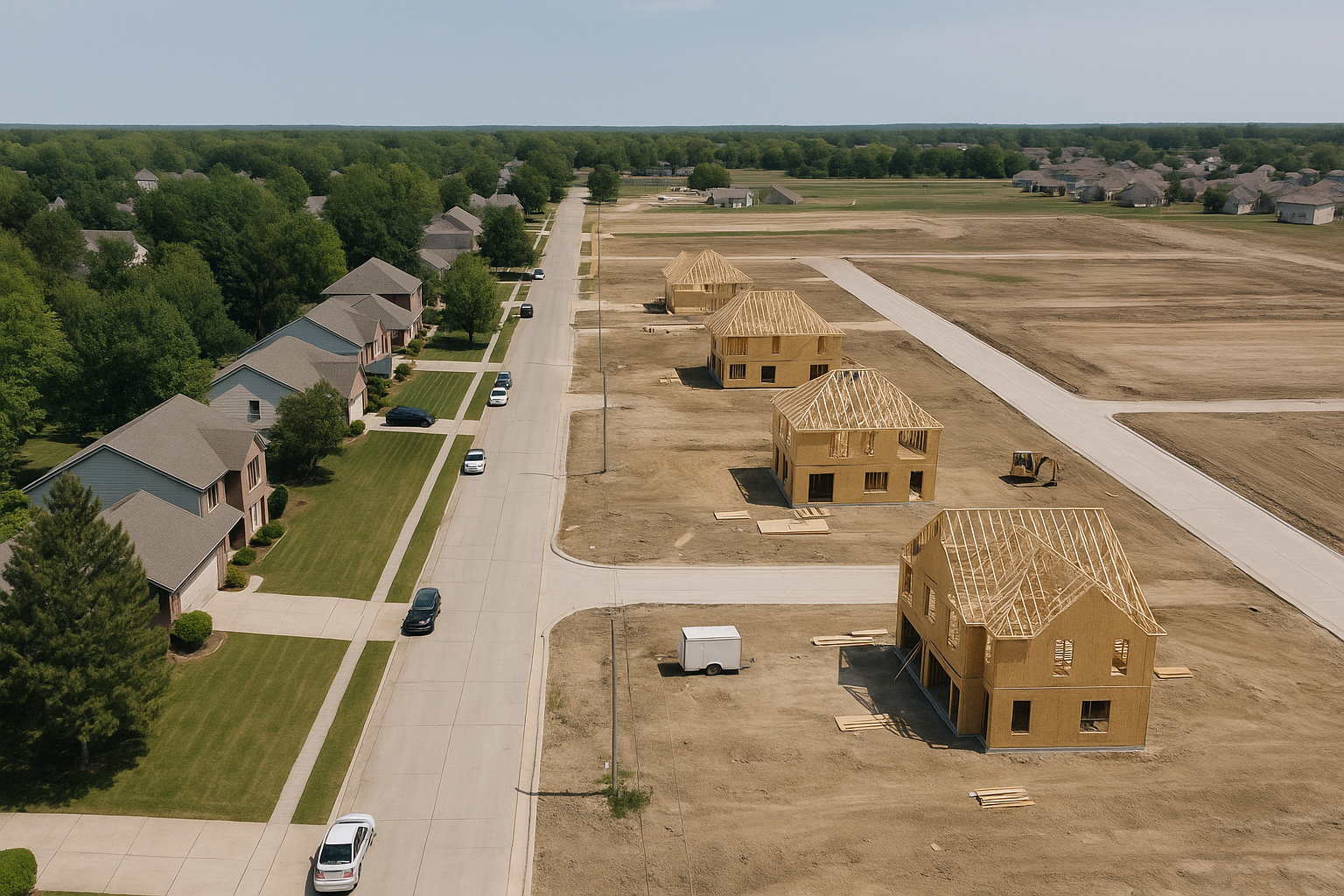

Buy Before You Sell in Central Indiana: How It Works

Buy Before You Sell in Central Indiana: How It Works
Most of the families I work with want the same sequence. Find the new home first, move once, then sell the old house empty and clean. The industry treats that as a special request. I built my practice around making it normal. Here is how it works in plain terms: contingencies, bridge-style options, builder timing, and what a lender will ask of you.
Key Takeaways
- Buying before you sell is routine when the financing plan comes first.
- A home sale contingency writes your timing into the offer. Sellers may answer with a kick-out clause (National Association of Realtors).
- Bridge loans and home equity lines can free up your down payment early, at a cost worth pricing before you commit.
- Until your current home has a firm contract, lenders generally qualify you on both housing payments (Fannie Mae Selling Guide, as of August 2026).
- New construction gives the plan its runway: about 9.1 months on average from start to completion in 2024 (U.S. Census Bureau Survey of Construction).
The Departure-Home Problem
Lenders have a name for the house you own right now: the departure residence. Most of your buying power is usually locked inside it. The equity stays out of reach until closing day, and the mortgage payment stays on your books until then too.
So every buy-first plan has to answer two questions. Where does the down payment come from while your equity is tied up? And can you qualify while you still own the old house? Answer both and the rest is scheduling.
There are three broad routes: write the sale into your offer with a contingency, borrow against the equity you already have, or close from savings and repay yourself later. Many Central Indiana moves blend two of them, depending on equity, income, and how fast homes like yours are selling in Hancock, Hamilton, Marion, or Johnson County.
The Home Sale Contingency
A home sale contingency is a clause in your purchase offer that gives you time to sell your current home before you close on the new one. If it does not sell within the agreed window, you can typically walk away with your earnest money. See the National Association of Realtors consumer guide to contract contingencies.
Sellers protect themselves with a kick-out clause. They keep showing the home, and if a stronger offer arrives you get a short window to remove your contingency or step aside. That is the cost of this route: a contingent offer asks the seller to share your risk, so it carries less negotiating strength.
Contingent offers pair naturally with builders, because a build schedule already includes waiting. Whether a specific builder accepts one, and on what terms, is a contract question. Every builder writes its own purchase agreement, and I read those line by line before a client signs.
Bridge-Style Options: Using the Equity You Already Have
The second route borrows against the departure home so you can close on the new one first.
Bridge Loans
A bridge loan is short-term financing, usually secured by your current home, that advances part of your equity for the new purchase. Terms commonly run six months to a year, rates sit above standard mortgage rates, and lenders generally want meaningful equity in the home securing the loan (Bankrate, as of August 2026). Your sale proceeds retire it.
Home Equity Lines of Credit
A home equity line of credit, or HELOC, lets you borrow against your equity as needed, up to a set limit, usually at a variable rate (Consumer Financial Protection Bureau). Opened early, it can fund a down payment and be repaid from sale proceeds. Ask your lender how listing the home affects your ability to open or draw on one; policies differ.
Some lenders package all of this into formal buy-before-you-sell programs under their own brand names. I am deliberately naming none of them, because programs change and terms vary. The only version that matters is the one a lender puts in writing for you, and my lender partners and I put real numbers to the options before you commit.
A Round-Number Example
Made-up numbers, just for the arithmetic. Say your current home would sell for about $300,000 and you owe $160,000. That is roughly $140,000 of paper equity. A bridge loan or HELOC might let part of it fund the new down payment months before you list, and the sale pays it off later. Your own numbers start with a free home valuation.
What the Lender Looks At When You Carry Two Homes
Here is the part most articles skip. Under Fannie Mae's selling guide, if your current home is pending sale but will not close before your new purchase does, the lender qualifies you using both housing payments. The old payment can be excluded once you document an executed sales contract on the departure home with financing contingencies cleared (Fannie Mae Selling Guide B3-6-06, as of August 2026).
Bridge loans get the same treatment. The bridge payment counts in your debt-to-income ratio unless a documented contract on the current home lets the lender set it aside (Fannie Mae Selling Guide B3-6-05, as of August 2026).
Beyond the ratios, expect a look at your credit, your equity, and your cash reserves after closing. Individual lenders layer their own requirements on top, and every approval depends on your full file. Nothing here is a promise about rates or approval.
When Buying First Is the Wrong Move
This strategy has limits. If your equity is thin, if you qualify for the new loan only once the old payment is gone, or if homes like yours are sitting unsold nearby, carrying two houses is a strain with no cushion. In that case, sell first and negotiate possession timing, or lean on a contingency instead. There is no shame in the safer sequence.
Builder Timing Is What Makes This Work
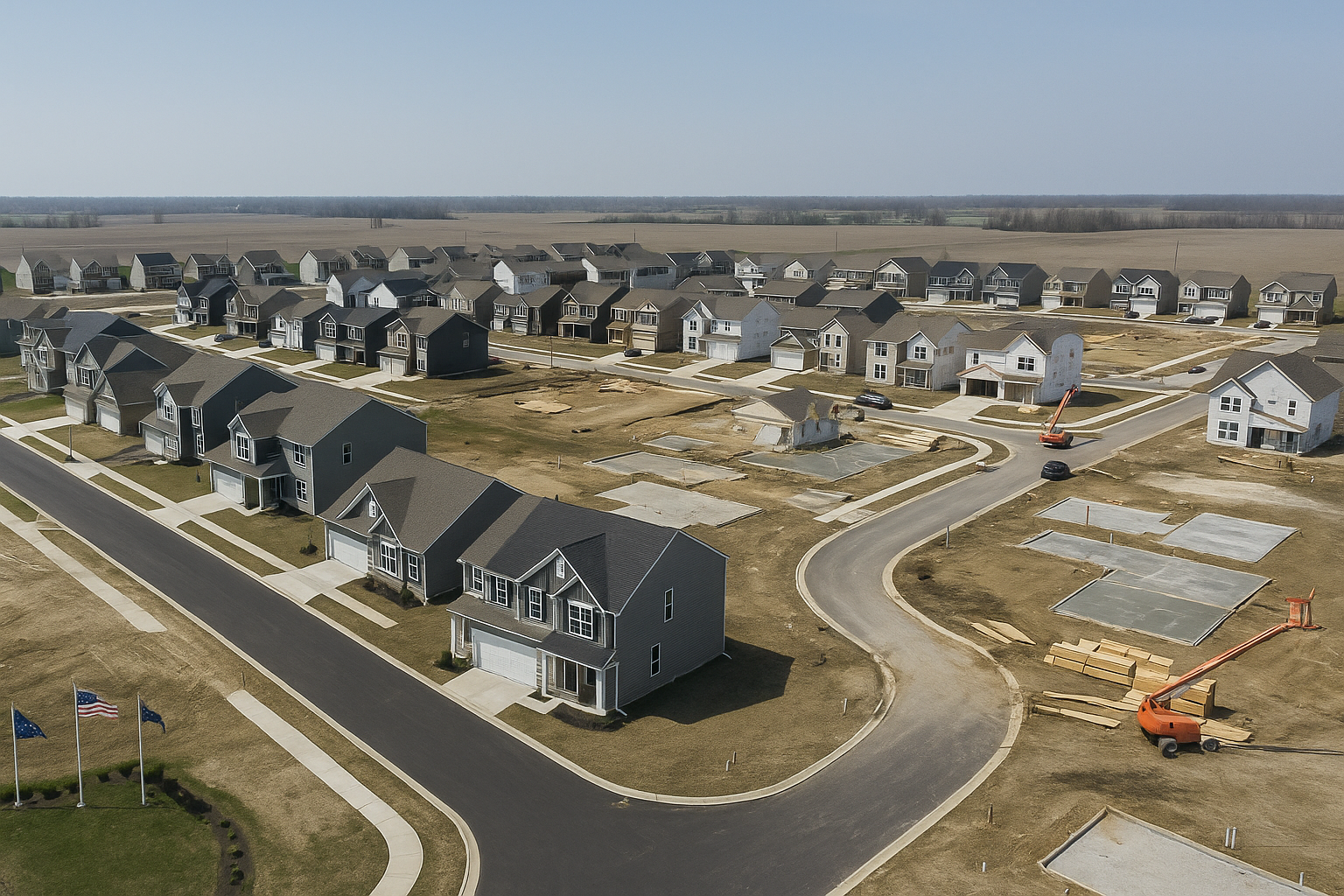
Buy-before-you-sell fits new construction best, because a build hands you a long, visible runway. Nationally, the average new single-family home took about 9.1 months from start to completion in 2024, and homes in our East North Central region averaged about 9.4 months (NAHB analysis of U.S. Census Bureau Survey of Construction data, 2024).
That window changes the sequencing. You sign the builder contract, live in your current home while the new one goes up, and prepare your sale on your own calendar, then list with a firm move-out date in view.
Move-in-ready inventory compresses that runway to weeks, which is when the bridge-style tools above earn their keep. A finished home closes on a normal purchase timeline. Our move-in-ready Central Indiana hub covers how I approach that inventory across the metro.
The Questions Worth Asking Before You Commit
Where a fact depends on a specific lender or builder, I will not guess in print. Bring these questions with you.
For your lender
- Do you offer a bridge loan, a HELOC, or a packaged buy-before-you-sell program, and what does each cost?
- How will you count both housing payments, and what documentation lets you exclude the old one?
- What cash reserves do you want to see after closing?
- Does listing my home change whether I can open or draw on a line of credit against it?
For the builder
- Will you accept a home sale contingency, and on what terms?
- What happens to my deposit if my home does not sell on schedule?
For me
- What would my home sell for, and how fast are homes like it moving?
- How do we sequence my list date against the build calendar, and what possession or rent-back terms are realistic here?
My Take: Who This Fits, and Who It Does Not
I named my practice around this idea, so you know where I stand. Buy-And-Move-In-Before-You-Sell is the offer at the center of what I do, because I have watched too many families sell first, move twice, and pay for storage in between. Moving once, into a home that was ready for you, is calmer in every way that matters.
It fits best when three things line up: solid equity, income that can carry the overlap a lender will test, and a purchase with a runway, usually new construction between Greenfield, Fishers, Noblesville, and Greenwood. As a Certified New Home Co-Broker, that builder table is where I spend most of my week.
It does not fit everyone. If the numbers only work with your current home sold, that is your answer, and I will say so in the first conversation. The right plan is the one you can sleep through.
Frequently Asked Questions
Can you buy a house before selling yours?
Yes. Buyers do it every month in Central Indiana. The usual paths are a home sale contingency written into your purchase offer, short-term financing such as a bridge loan or a home equity line of credit, or savings. Each path has its own costs and approval rules, so the practical question is which one your finances and timeline support.
How do you buy a house before you sell yours?
Start with a lender conversation before you shop. Your plan needs to answer two things: where the down payment comes from while your equity is tied up, and whether you can qualify while both homes are on your books. Then choose between a contingent offer, bridge-style financing, or savings, and time your sale to the new home's closing or build schedule.
Should you buy a house before selling yours?
It depends on your equity, your qualifying room, and your tolerance for carrying two homes for a stretch. Buying first means you move once, which matters most with a new build you can time. It also means real carrying costs if your current home sells slowly. If your budget only works once the old home is sold, sell first or use a contingency.
What is a bridge loan when buying a house?
A bridge loan is a short-term loan, usually secured by your current home, that advances part of your equity so you can buy the new home before the old one sells. Terms commonly run six months to a year, rates run higher than a standard mortgage, and lenders generally want meaningful equity in the home securing the loan (Bankrate, as of August 2026).
How do lenders count two mortgage payments when you buy before you sell?
Under Fannie Mae's selling guide, when your current home is pending sale but will not close before the new purchase, the lender qualifies you on both housing payments. The current payment can be excluded once you document an executed sales contract with financing contingencies cleared (Fannie Mae Selling Guide B3-6-06, as of August 2026). Your own lender confirms how this applies to your file.
Does buy before you sell work with new construction?
New construction is where the strategy fits best, because a build gives you a runway. The average new single-family home took about 9.1 months from start to completion in 2024, per NAHB analysis of U.S. Census Bureau Survey of Construction data. You live in your current home while the new one is built, then list with a firm move-out date in view.
Where These Facts Come From
Sources: National Association of Realtors (contingencies); Fannie Mae Selling Guide B3-6-05 and B3-6-06, as of August 2026 (qualifying); Consumer Financial Protection Bureau (HELOCs); Bankrate, as of August 2026 (bridge loans); NAHB analysis of U.S. Census Bureau Survey of Construction data, 2024 (build times). This article is general education and makes no promise about rates or approval. Program terms come from your lender in writing.
About Jim Bardes
Jim Bardes has spent more than twenty years in Central Indiana real estate and lives in New Palestine, in Hancock County. As a Certified New Home Co-Broker, he represents buyers in new-construction purchases across the Indianapolis metro, and Buy-And-Move-In-Before-You-Sell is his signature offer. His standard, in his own words: "Be Served, Not SOLD!" Start with his New Palestine community guide or a free valuation of your current home.
Find Out What Your Current Home Is Worth
Every buy-before-you-sell plan starts with one number: what your departure home would sell for. Get that number, then let's talk. No obligation, and I answer my own phone.
Call or text 317-442-1698 · jim@bardesrealty.com
Categories
Recent Posts